Haunting Encounters
Her Dead Daughter Came Back to Name Her Murderer
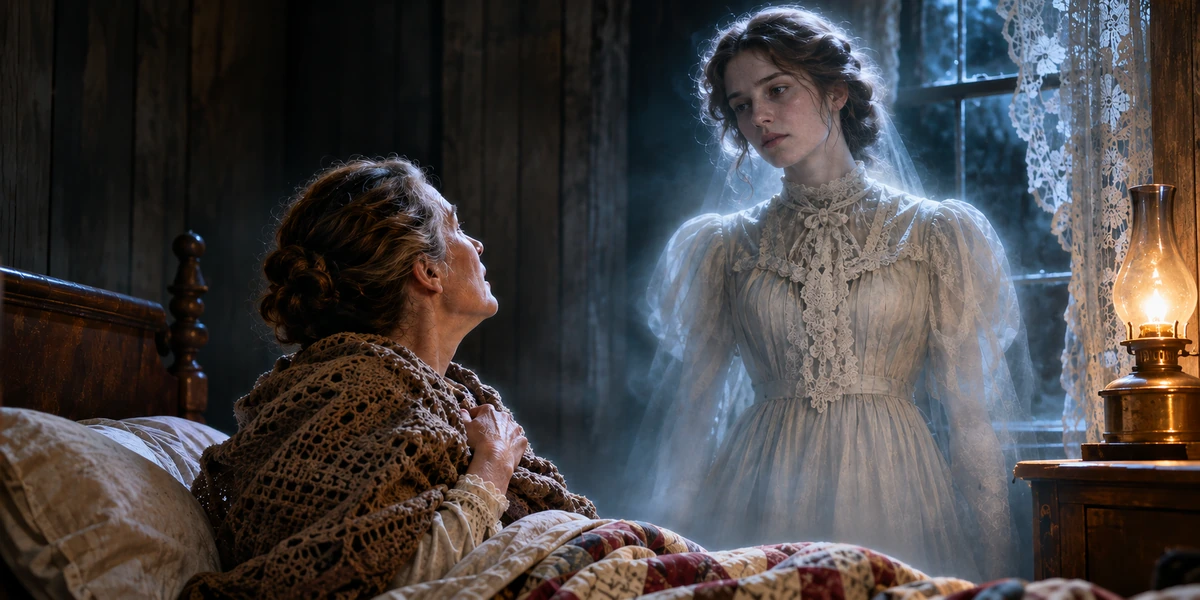
A young boy knocked on the door of a farmhouse in Greenbrier County, West Virginia, one cold morning in January 1897. He had been sent by the local blacksmith, Edward Shue, to collect some eggs and see whether Shue's wife needed anything from the store. When nobody answered, the boy opened the unlocked door and stepped inside.
He found Elva Zona Heaster Shue lying motionless on the floor. Frightened by what he had discovered, he ran home to tell his mother before rushing to the blacksmith's shop to find Edward. Shue hurried back to the house, where he began holding his wife and calling for a doctor.
Zona was only 23 years old and had been married for about two months. Her sudden death shocked her family, and there was no obvious explanation for what had happened. But the behavior of her husband would soon raise some troubling questions.
The Doctor Who Couldn't Examine Her
Dr. George Knapp arrived at the farmhouse to examine Zona's body. By the time he got there, Edward had already moved her and dressed her in a high-necked gown with a scarf wrapped around her neck. When Knapp tried to examine her more closely, Shue became upset and interfered with the examination.
The doctor noticed some discoloration around her face and neck but couldn't determine exactly how she had died. Without a thorough examination, her death was initially deemed natural. Preparations were made for the funeral, and the family began gathering to say goodbye.
During the viewing, Shue behaved in ways that relatives thought strange. He stayed close to the coffin, supported Zona's head with unusual care, and resisted attempts to move the scarf around her neck. He explained that the scarf had been one of her favorites.
Zona's mother, Mary Jane Heaster, was already suspicious of her son-in-law. She had never been comfortable with the marriage, and her daughter's unexplained death only deepened her concerns. After the funeral, she began praying for some way to learn what had happened.
Four Visits From the Dead
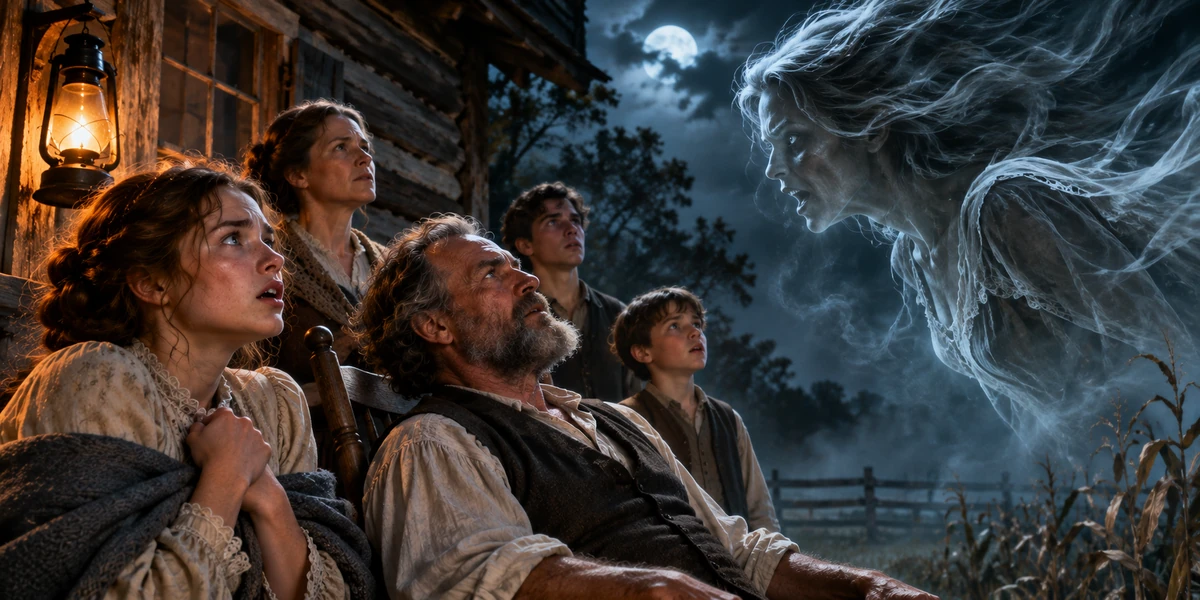
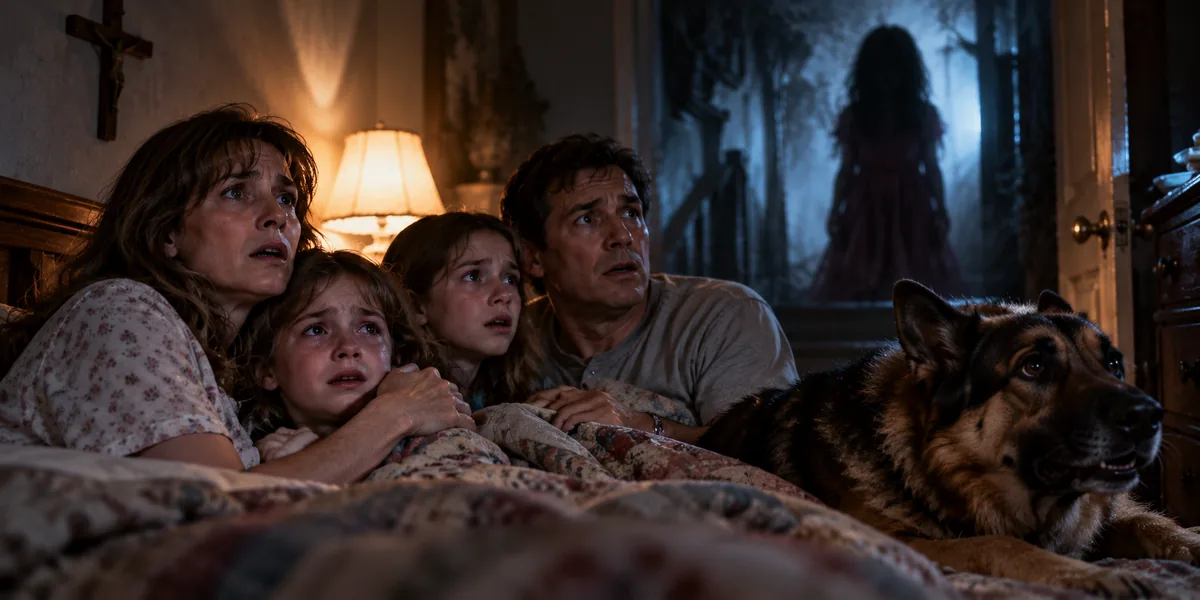
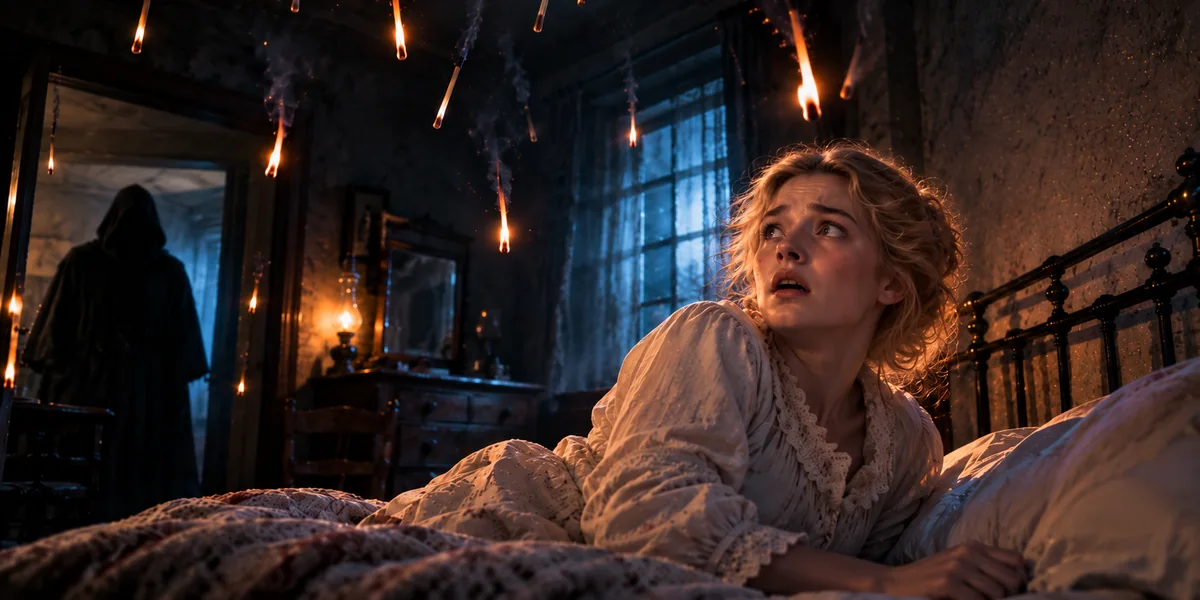
Mary later claimed that her prayers were answered when Zona appeared in her bedroom one night. She described seeing her daughter standing before her, looking much as she had while alive. According to Mary, the young woman began explaining what had happened on the day she died.
The visits continued over four nights, with Mary claiming that her daughter gradually revealed more details. Zona said Edward had come home from his blacksmith shop and become angry because she hadn't prepared meat for supper. Although food was available, the argument had escalated into violence.
Mary said her daughter described how Edward had attacked her and broken her neck. The injury, Zona explained, was near the top of her spine. During one appearance, Mary claimed, her daughter's head turned completely around before she disappeared.
This left Mary convinced that Zona had been murdered. She told neighbors about the visits, but some believed she was dreaming about her daughter because of grief. Mary insisted she had been awake and that the encounters had been real.
Her certainty eventually led her to Lewisburg, where she sought out the county prosecutor, John A. Preston. She told him about the appearances and repeated her daughter's accusation against Edward Shue. Preston listened, but he knew that a murder charge would require evidence that doctors and investigators could examine.
The Grave Is Opened
Preston began looking into the circumstances surrounding Zona's death. He spoke with Dr. Knapp, who acknowledged that Edward's behavior had prevented a proper examination. Other witnesses described the scarf, the way Shue had handled the body, and his conduct during the funeral.
The investigation raised enough concerns to justify another examination. On February 22, 1897, authorities opened Zona's grave and brought in three doctors to examine her remains. This time, her husband wasn't there to interfere.
The doctors discovered that Zona's neck had been dislocated near the top of her spine. They also found damage to her windpipe that pointed to violence rather than natural death. The findings gave investigators physical evidence that the original exam had missed.
Edward Shue was arrested and charged with murdering his wife. He denied responsibility, but the prosecution now had medical findings and witness accounts to present in court. The case moved toward a trial that would attract attention far beyond Greenbrier County.
The Ghost Story Reaches the Courtroom
Shue's trial began in June 1897 at the Greenbrier County courthouse in Lewisburg. Prosecutors described his conduct after Zona's death and presented the findings from the examination of her body. Because nobody had witnessed the killing, much of the case depended on the medical evidence and the circumstances surrounding her death.
Edward took the stand in his own defense. He denied killing Zona, challenged the accusations against him, and insisted he had loved his wife. His testimony did little to settle the questions that had brought him before the jury.
Mary Heaster also appeared as a witness, and the defense lawyers questioned her about the visits from her daughter. They seemed to believe that her account of a ghost would undermine her credibility and weaken the prosecution's case. Instead, Mary repeated the story with the same confidence she had shown when speaking to the prosecutor.
She described the four appearances, the argument over supper, and the injury Zona had said her husband caused. When the lawyers suggested she had dreamed the encounters, Mary refused to accept that explanation. She maintained that she had seen and spoken with her daughter while fully awake.
The Greenbrier Independent published a detailed account of Mary's testimony on July 1, 1897, preserving her answers to the defense's questions. The newspaper allowed people who hadn't attended the proceedings to read how the mother had defended her spectacular story.
The Jury Makes Its Decision
After hearing the testimony, the jury retired to consider the evidence. Its members deliberated for one hour and ten minutes before returning a verdict of first-degree murder. They recommended imprisonment rather than execution, and Shue received a life sentence.
Some residents of Greenbrier County believed the punishment was too lenient. A group of men gathered with plans to remove Shue from jail and hang him, but local authorities prevented the attempt. Shue was eventually transferred to the West Virginia Penitentiary at Moundsville.
He remained in prison until his death in March 1900. Mary Heaster continued to stand by her account of her daughter's visits, and the story became widely known as the Greenbrier Ghost. The murder conviction rested on the evidence presented in court, but the mother's testimony gave the case an unusual place in West Virginia history.
The Greenbrier Ghost
Zona was buried in a small cemetery near Little Sewell Mountain. A marker was eventually erected near Sam Black Church to explain the events of 1897. It describes Mary's experience and the murder investigation that followed.
The courtroom testimony also survived in newspaper archives. Those records preserve Mary's account in her own words, including her refusal to call the visits dreams. More than a century later, her statements remain available to anyone who wants to read what she told the lawyers.