Haunting Encounters
The Army Called a Priest Because a Girl Kept Appearing
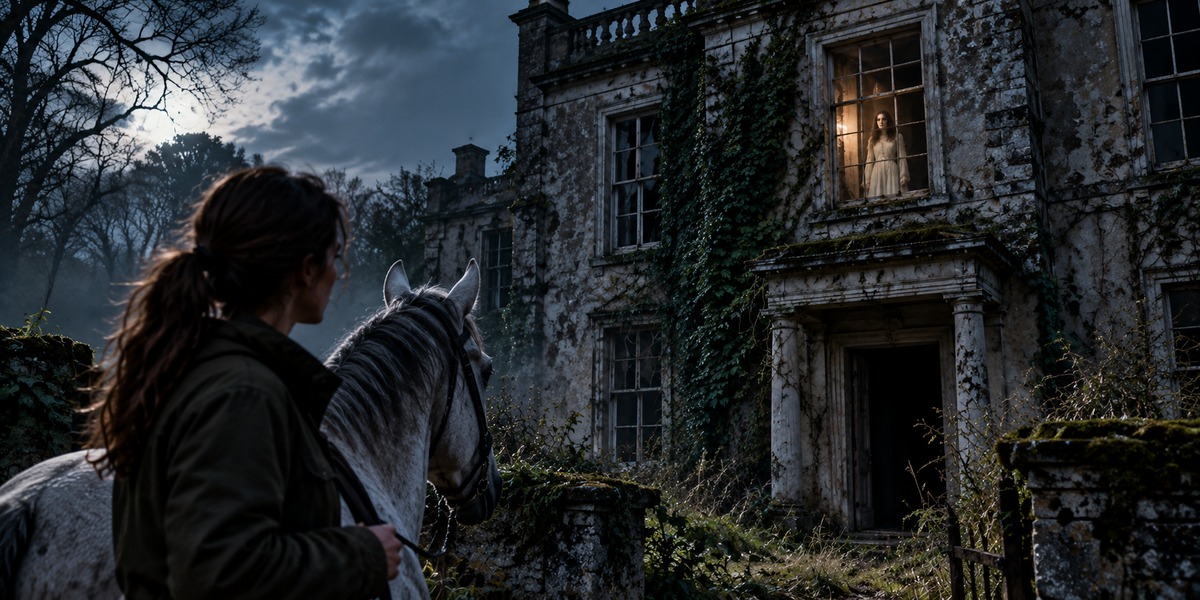
Yvonne Croke was on her way to feed her horse at an Irish Army camp when she noticed a young woman standing near an old house. It was February 1999, and Yvonne was passing Coolmoney House in County Wicklow. The building was empty, falling apart, and due to be demolished within weeks.
The girl looked about fifteen or sixteen years old. She had dark hair and wore a plain white dress. When Yvonne passed the house again, she spotted the same girl standing in a front window.
A few days later, Yvonne saw her while driving past with her father. She told him what had been happening, and he took her seriously.
Her father happened to be the commanding officer of the Army camp.
The House Had Been Standing Since 1837
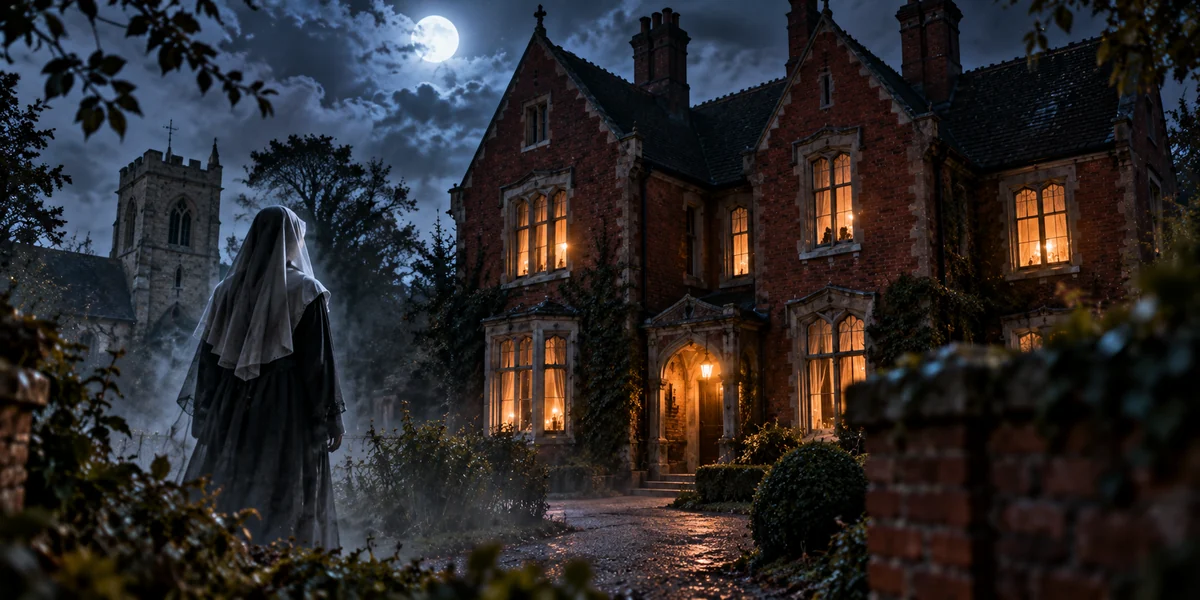
Coolmoney House stood in the Glen of Imaal, surrounded by the Wicklow Mountains. It had originally belonged to the Hutchinson family, who lived there during the nineteenth century.
The British Army purchased the property in 1912. When Ireland became independent, the house eventually passed into the hands of the Irish military.
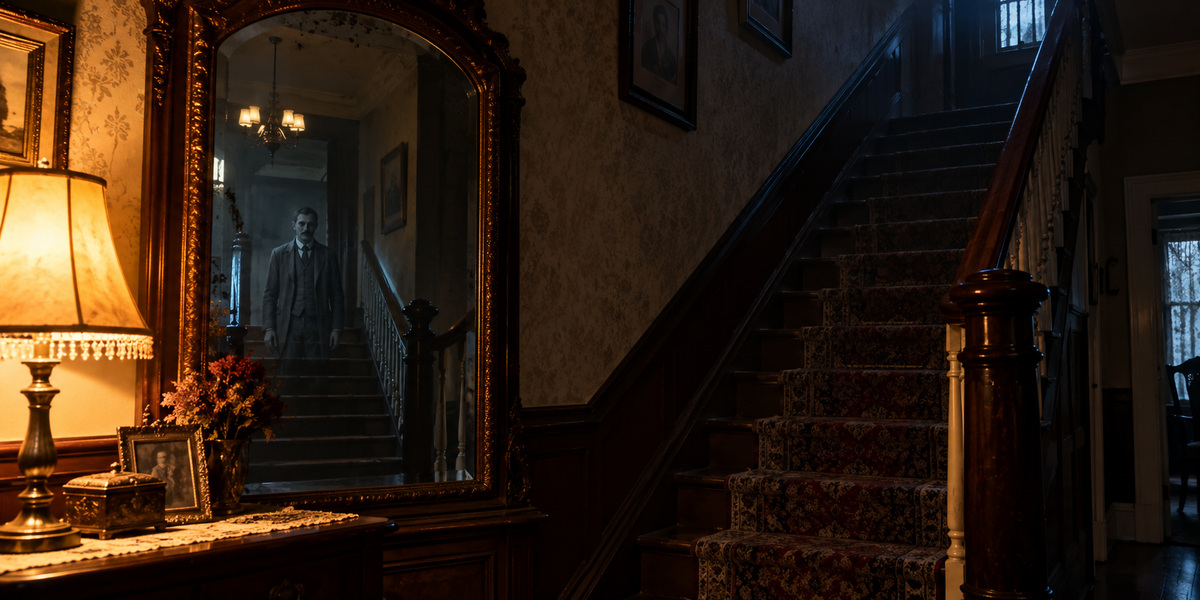
For decades, Army officers stayed in the large building. It had enormous rooms, high ceilings, impressive windows, and a staircase leading to the upper floors.
But by the 1990s, Coolmoney was in terrible condition. Sections of the ceilings had collapsed, the roof was damaged, and parts of the interior were falling apart. The Army had stopped using it for accommodation and decided it was time to tear it down.
Local people, however, had been talking about the house for generations. They believed it was haunted by a young woman named Nelly.
The Story of Nelly
According to local legend, Nelly had worked as a servant at Coolmoney House sometime during the nineteenth century. The story claimed she’d become pregnant after a relationship with a wealthy man. Worried about the scandal, he supposedly murdered her and threw her body from an upstairs window.
Nobody knew exactly when the alleged murder had happened. Different versions of the story had been passed around the Glen of Imaal for years.
One upstairs bedroom had an especially unpleasant reputation. Soldiers knew it as Room 21A, and few people were eager to spend time there. Private Martin Moore, who arrived at the camp in 1976, later told The Irish Times about a dark mark on the room’s floor.
Moore remembered trying to scrub it away. No matter how hard he cleaned, he said, the stain kept returning.
Other stories claimed that even replacing the floorboards hadn’t solved the problem. The mark supposedly appeared again on the new wood. But Yvonne said she knew little about any of these stories when she first saw the mysterious girl.
Her Father Called the Army Chaplain
Yvonne was twenty-two years old and worked as a riding instructor. Her father, Commandant Kevin Croke, was in charge of the Glen of Imaal camp.
After hearing his daughter’s account, he contacted Father Declan Foley, an Army chaplain, and asked him to visit Coolmoney House. Father Foley had previously worked as a hospital chaplain in London, where he’d occasionally been asked to pray in homes where people believed something unusual was happening.
He agreed to conduct a service on February 15, 1999. Around forty local people gathered inside the house’s large but badly damaged drawing room. Father Foley prayed for Nelly and anyone else who might have suffered there.
He then walked through the rooms sprinkling holy water before blessing the grounds outside. Yvonne attended the service, hoping the prayers might help whoever she’d been seeing.
But while Father Foley was speaking, she noticed someone sitting behind him.
The Girl Was Sitting Behind the Priest
Yvonne looked toward a window and recognized the girl sitting on its ledge. She had the same dark hair and white dress, but her expression seemed different. During the earlier sightings, she’d appeared anxious and unhappy. Now she looked much calmer.
Yvonne described the figure as faint, almost as though she could see through her. As Father Foley finished the service and began leaving the room, the girl disappeared.
Yvonne believed Nelly had finally found some peace. Afterward, everyone gathered for tea and biscuits in a nearby Army building, where one local woman remarked that they could all relax now.
The ceremony attracted considerable attention, including coverage in The Irish Times the following day. And that newspaper article had an unexpected effect.
The Ghost Almost Saved the House
The story caught the attention of An Taisce, Ireland’s National Trust, which hadn’t previously known about Coolmoney House. Representatives visited the property and were impressed by what remained of the nineteenth-century mansion.
Although the house was badly damaged, it still had architectural features worth preserving. The organization began considering whether anything could be done to protect it.
The problem was timing. The Army had already decided the building was beyond practical use, and demolition was approaching.
The publicity surrounding Nelly had brought new attention to a historic house just as it was about to disappear. But the preservation effort couldn’t move quickly enough to change its fate.
Coolmoney House was demolished in the spring of 1999.